
Affiliate disclosure: This article contains affiliate links. We may earn a commission if you buy through them, at no extra cost to you.
Important for under-18s: The American Academy of Pediatrics advises against performance-enhancing supplements, including creatine, for anyone under 18. Talk to your doctor (and, if you’re a teen, a parent) before taking creatine or any other supplement.
Let me start by mentioning that creatine is safe for teenagers and a well-researched sports substance to help them in their athletic training. Many myths and legends result from outmoded beliefs and contaminated creatine supplements.
That is why, while selecting creatine for your teen (or as a teen), you must look for reliable brands that have undergone third-party testing to ensure it is free of dangerous ingredients. So, these are the finest creatine supplements for teenagers that meet the criteria.
Quick picks
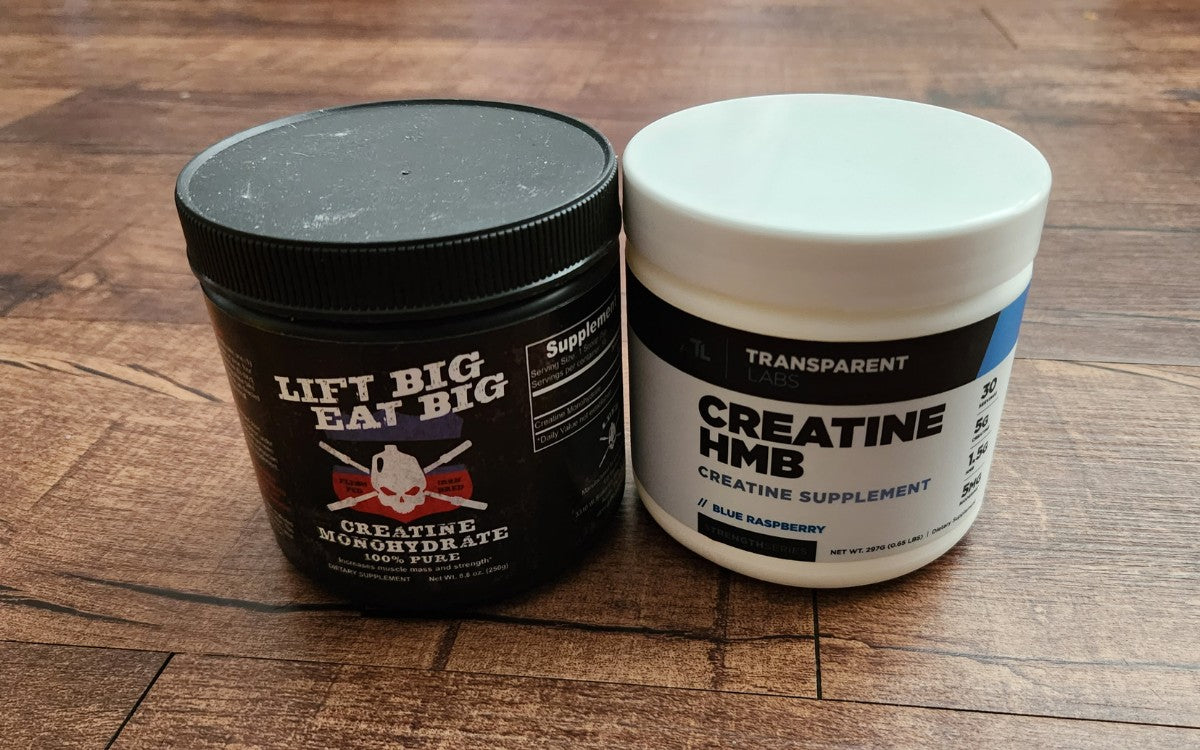
- Best Creatine For Teens: Lift Big Eat Big 100% Pure Creapure® Creatine Monohydrate
- Runner-Up Creatine For Teens: Transparent Labs Creatine HMB
- Best Budget Creatine For Teens: Bulk Supplements Creatine Monohydrate
- Best Flavored Creatine For Teens: Legion Recharge Post-Workout
- Best Creatine Gummies For Teens: Novomins Creatine Monohydrate Gummies
| Creatine | Size | Servings | Cost Per Serving |
|---|---|---|---|
| Lift Big Eat Big Creatine | 250 g | 50 | $0.66 – $0.80 |
| Transparent Labs Creatine HMB | 297 g | 30 | $1.67 |
| Bulk Supplements Creatine | 100-5000 g | 20-1000 | $0.15 – $0.65 |
| Legion Recharge Post-Workout | 534 g | 60 | $0.90 |
| Novomins Creatine Gummies | 90 Gummies | 45 | $0.56 |
Best Creatine For Teens
Lift Big Eat Big 100% Pure Creapure® Creatine Monohydrate
- Size: 250 g
- Servings: 50
- Serving Size: 5 g
- Creatine per Serving: 5 g
- Transparent CoA: Yes

When choosing a creatine supplement for teens, consider what is in it and whether or not it contains any impurities. This is the main concept behind Lift Big Eat Big Creatine Monohydrate.
It’s a great option for teenagers because you know exactly what you’re getting. The company provides a Certificate of Analysis (CoA) to demonstrate that this creatine is pure and clean.
The Lift Big Eat Big product contains pure creatine monohydrate, namely Creapure®, which is 99.9% pure <1><2>. That is why it is the best available, and the CoA confirms this.
It’s intended to boost strength, power, and muscle growth by replenishing your muscles’ primary energy source, ATP.
This makes it appropriate for bodybuilders and athletes in any sport that requires quick, explosive movements, such as football, basketball, or track athletics.
Be wary of low-cost creatine that you may find online. There’s a potential they include contaminants or things you don’t want, and only some are adequately inspected. For example, only 8% of creatine products on Amazon have been tested for contaminants [3].
Lift Big Eat Big contains no fillers or flavors. It’s just pure, high-quality, flavorless creatine monohydrate.
A single tub with 50 serves costs $39.99, or $0.80 per serving. However, if you get a three-tub bundle, you will receive 150 servings for $99, with free shipping in the United States, which works out to $0.66 a serving.
Pros
- Transparent testing reveals 100% pure creatine monohydrate, ensuring your teen’s safety.
- Creapure® creatine is the gold standard.
- It has no flavor at all.
- Shipping is free within the United States.
- Bundles can help you save more money.
Cons
- Only available flavorless.
- Longer shipping times than Amazon.
Best Runner-Up Creatine For Teens
Transparent Labs Creatine Monohydrate With HMB
- Size: 297 g
- Servings: 30
- Serving Size: 9.9 g
- Creatine per Serving: 5 g
- Transparent CoA: Yes

A pure creatine monohydrate product must be free of contaminants and banned substances, especially for teens.
Transparent Labs meets these standards and offers additional ingredients such as HMB and BioPerine, which may improve gym results, although their efficacy is debatable [7].
Transparent Labs Creatine HMB contains 5 g creatine monohydrate, 1.5 g HMB, 5 mg BioPerine, and 500 IU vitamin D per dose.
Its advantages are third-party testing certification (informed sport tick), which ensures that each batch is free of banned substances, and a clear Certificate of Analysis and Composition.
It contains a variety of superb flavors. However, it is more expensive than other creatine brands, costing $1.67 per serving, and the HMB component has an unpleasant odor.
Despite these shortcomings, the product is nevertheless regarded as an excellent choice for competitive athletes and muscle-building enthusiasts due to its high quality and potential benefits from its added ingredients.
Pros
- Each batch undergoes third-party testing for prohibited compounds.
- Transparent Certificate of Analysis and Composition confirms that the labeled ingredients are present in the tub.
- There are many delicious flavor options available.
- HMB and BioPerine may improve the supplement’s effect, although this is not established.
Cons
- The cost is twice as much per serving as other creatine brands.
- HMB has an awful smell.
- Transparent Labs used to use Creapure creatine, but no longer use the gold standard.
Best Budget Creatine For Teens
Bulk Supplements Creatine Monohydrate
- Size: 100-5000 g
- Servings: 20-1000
- Serving Size: 5 g
- Creatine per Serving: 5 g
- Transparent CoA: Yes

Bulk Supplements is a wise decision if you’re on a tight budget, especially as a student. They are an NSF-certified company that used to market to businesses but now sells to consumers directly.
Bulk Supplements Creatine is available in various sizes, ranging from little 100 g pouches to bigger supplies that may last a long time. When taken on its own, this creatine is practically flavorless but still has a light bitter aftertaste.
Bulk Supplements creatine monohydrate is reasonably priced, especially in quantity. A three-year supply costs $145 for a 5 kg bag that contains 1000 servings of 5 g each.
Just bear in mind that the bag may not reseal well with time, so transfer the creatine to another container to keep it fresh.
Pros
- Purchase a large quantity of creatine at a low cost.
- It has been lab-tested for purity, making it suitable for teenage use.
Cons
- If you buy in bulk, the pouch will lose its capacity to reseal properly and must be stored in a better container.
- You’ll need to add something flavored to kill the bitter aftertaste
Best Flavored Creatine For Teens
Legion Recharge Post-Workout
- Size: 534 g
- Servings: 60
- Serving Size: 8.74 g
- Creatine per Serving: 5 g
- Transparent CoA: Yes

For individuals who like drinking creatine on its own, flavored creatine is more enjoyable, similar to a fruity drink.
Legion Recharge is a good option for flavored creatine monohydrate tested for purity and manufactured in the United States in facilities that adhere to high quality requirements.
This supplement avoids artificial tastes and sweeteners, favoring natural ones like stevia. It contains L-carnitine, which may aid in reducing muscle soreness following exercise [4].
You can choose from flavors like sour candy, strawberry lemonade, fruit punch, and watermelon. If you enjoy acidic flavors, sour candy may be a refreshing alternative to keep you hydrated and fresh.
Pros
- Lab tested for prohibited substances.
- There are no artificial flavors or sweeteners.
- Various flavors to keep your pallet fresh.
Cons
- Not suitable for mixing with other drinks because of the flavor.
- Has L-carnitine, which needs to be considered if you want to avoid taking too much of it when you also take other supplements.
Best Creatine Gummies For Teens
Novomins Creatine Monohydrate Gummies
- Size: 90 gummies
- Servings: 45
- Serving Size: 2 gummies
- Creatine per Serving: 5 g
- Transparent CoA: No

Creatine gummies may not be the most effective way to consume creatine, but they are one of the most handy and enjoyable options.
Novimins creatine gummies take care of many of the problems typical of creatine gummies. First of all, you need to digest only two of them to get the recommended daily dose of 5 grams of protein, not 5 or more like with other brands, which makes things more convenient.
Then another common issue is the sugar and extra ingredients present in gummies, which are off-putting for those on a diet or people who avoid sugar at all costs.
However, maltitol is used as a sweetener, and not everyone’s gut agrees with this ingredient. Novomins gummies have no sugar and also lack any GMOs, gluten, or other possibly unwanted ingredients.
Another benefit of this product is that one pack is enough for 45 days, which is not common for gummies or creatine capsules.
The bear shape of the gummies is a nice touch that some teens may enjoy and will make their creatine intake even more enjoyable.
Pros
- You only need 2 gummies for 5 grams of creatine
- 45 servings in a pack which is convenient
- No sugar, GMO, no artificial flavors or sweeteners
Cons
- Some people have digestive problems from maltitol, which is used as a sweetener
- Not as strongly flavored and delicious as other gummies
Is Creatine Safe For Teens?
To answer the question, I present you with a quote from registered dietician Hanli Etsebeth, a Ph.D. candidate studying adolescent athlete nutrition, who states, “Creatine is considered safe for teenagers” and “Creatine has been effectively and safely used from infancy and throughout a wide range of ages under 18 years old.”
Creatine is safe for teenagers and can help them with their training and competitive sports when combined with a healthy and balanced diet [6].
How To Pick The Best Creatine For Teens
Purity
When shopping for creatine for teenagers, purity should be your top concern. Most people consider Creapure® to be the best because it is 99.9 percent pure creatine monohydrate. To be sure you’re getting high-quality creatine, look for products containing Creapure®.
Select a creatine that has undergone extensive testing to ensure its efficacy and purity.
A Certificate of Analysis (CoA) is a great way to verify that a product has been tested and found to be pure; this is especially true for brands that provide them. Many supplements, particularly those sold on sites like Amazon, may not provide this degree of transparency.
Type

The only creatine you should consider is creatine monohydrate. As quoted in Science Direct, “all alternative forms of creatine
Here’s a list of the different types of creatine companies will try to sell you:
- Buffered or KreAlkalyn Creatine Monohydrate
- Di-Creatine Malate
- Creatine Gluconate
- Creatine Anhydrous
- Magnesium Creatine Chelate
- Creatine Phosphate
- Creatine Alpha-ketoglutarate
- Creatine Pyruvate
- Creatine Citrate
- Creatine Hydrochloride
- Free Acid Creatine (Creatine HCL)
- Tri-Creatine Malate
- Creatine Ethyl Ester
- Creatine Nitrate
- Creatine Ethyl Ester Malate
- Creatinol-O-Phosphate
Unfortunately, none have the evidence supporting them like creatine monohydrate does, which maximally saturates the muscle [1].
Of these, 7 have no evidence to support bioavailability, efficacy, and safety, and another 7 have limited evidence.
The last two are creatine HCL and creatine anhydrous, which likely act similarly to creatine monohydrate.
Powder vs. Capsules vs. Gummies
Because of their mobility, creatine pills may appeal to active teenagers who are constantly on the go. Still, you can get better options for regular usage.
To get the 3–5 grams of daily suggested dosage, you’d have to take a lot of capsules. The cost is higher, and you may not get more than a month’s supply in a single pack.
Creatine powder, in contrast, is a lot cheaper. A larger quantity is available at a reduced price, and a single bag has enough to last for multiple months. For everyday use, it’s more practical and cheaper in the long term.
Many believe creatine gummies are the next big thing in creatine administration, but I think they’re just like pills—only worse.
Some creatine gummy supplements have 14 grams of sugar in addition to the 5 grams of creatine. A 30-day supply of the powder costs the same as a 50-100-day supply of gummies. Opt for powder instead unless you really love the taste and habit of taking gummies.
Price
It’s best to keep things simple and smart when looking for creatine. You may get a lot of bang for your buck with creatine monohydrate.
Other forms of creatine, supposedly superior, are sold by certain companies for more than twice the price of monohydrate [3]. In most cases, this is essentially an advertising tactic to boost sales.
Get the most out of your money by sticking with high-quality creatine monohydrate.
Prices that don’t seem right could indicate inferior quality, so be wary. Finding a product that is both reasonably priced and made by a trustworthy company is essential.
How To Take Creatine For Teens

Adults often take creatine in one of two ways: with a loading phase or without one. Teens should skip the loading phase, and should only take creatine at all if their doctor agrees.
A loading phase means taking around 20 grams of creatine a day for about a week. It is not recommended for teens.
After a loading phase, adults typically keep muscle creatine levels high with 2–5 grams a day [5].
The non-loading approach is simpler: three to five grams of creatine per day. A month is recommended to saturate your muscles with creatine completely [5].
If your doctor agrees creatine is appropriate for you, the non-loading method is the gentler choice. Don’t start with a loading phase.
Frequently Asked Creatine For Teens Questions
Can My 14-Year-Old Take creatine?
Furthermore, individuals frequently confuse creatine with anabolic steroids, which are two entirely different substances.
Ask your child’s doctor first. The American Academy of Pediatrics advises against creatine and other performance-enhancing supplements for anyone under 18, and many supplement labels carry the same caution for younger users.
Regardless, teens obtain creatine from the meat they eat on a daily basis. It is insufficient to saturate the muscle fully, hence powder is used to augment.
Should You Take Creatine Under 18?
The American Academy of Pediatrics advises against creatine and other performance-enhancing supplements for anyone under 18, so talk to your doctor before starting. Creatine can help with strength, muscle size, muscle endurance and power output, but for most teens, training, sleep and diet matter far more.
If you’re a weekend warrior or just starting out in the gym, using creatine or any supplement should be low on your priority list.
There are more important things to learn and build before spending time and money on supplements.
Is Creatine Legal?
Creatine is not banned in sports, according to WADA guidelines. It is also not an illegal substance under state or federal law, as it is in accordance with The Dietary Supplement Health and Education Act of 1994 (“DSHEA”).
Summary
Creatine is well researched, but the American Academy of Pediatrics advises against it for anyone under 18, so check with your doctor first. If your doctor agrees, choose reliable brands with CoAs that display their third-party testing data, such as Lift Big Eat Big.
References
- Kreider, R. B., Jäger, R., & Purpura, M. (2022). Bioavailability, efficacy, safety, and regulatory status of creatine and related compounds: A critical review. Nutrients, 14(5), 1035.
- Jäger, R., Purpura, M., Shao, A., Inoue, T., & Kreider, R. B. (2011). Analysis of the efficacy, safety, and regulatory status of novel forms of creatine. Amino acids, 40, 1369-1383.
- Escalante, G., Gonzalez, A. M., St Mart, D., Torres, M., Echols, J., Islas, M., & Schoenfeld, B. J. (2022). Analysis of the efficacy, safety, and cost of alternative forms of creatine available for purchase on Amazon. com: are label claims supported by science?. Heliyon, 8(12).
- Yarizadh, H., Shab-Bidar, S., Zamani, B., Vanani, A. N., Baharlooi, H., & Djafarian, K. (2020). The effect of l-carnitine supplementation on exercise-induced muscle damage: a systematic review and meta-analysis of randomized clinical trials. Journal of the American College of Nutrition, 39(5), 457-468.
- Hultman, E., Soderlund, K., Timmons, J. A., Cederblad, G., & Greenhaff, P. L. (1996). Muscle creatine loading in men. Journal of applied physiology, 81(1), 232-237.
- Jagim, A. R., Stecker, R. A., Harty, P. S., Erickson, J. L., & Kerksick, C. M. (2018). Safety of creatine supplementation in active adolescents and youth: a brief review. Frontiers in nutrition, 5, 115.
- Phillips, S. M., Aragon, A. A., Arciero, P. J., Arent, S. M., Close, G. L., Hamilton, D. L., … & Willoughby, D. S. (2017). Changes in Body Composition and Performance With Supplemental HMB-FA+ ATP. The Journal of Strength & Conditioning Research, 31(5), e71-e72.
Affiliate Disclosure:
The links provided may earn us a small commission at no additional cost to you if you choose to purchase the recommended product. This support allows our research and editorial team to continue providing high-quality recommendations. As a participant in the Amazon Services LLC Associates Program, an affiliate advertising initiative, we are able to earn advertising fees through providing links to products on Amazon.com. Please rest assured that we only recommend high-quality products.